How To Play Poker: The Master Blueprint for Aspiring Indian Champions 🃏
Last Updated: May 27, 2024
Welcome to the definitive guide on how to play poker, crafted specifically for the burgeoning Indian card-playing community. Whether you're a complete novice who thinks a "flush" is something you do with a toilet, or an intermediate player looking to move up stakes, this compendium will transform your game. Poker isn't just a game of chance; it's a riveting dance of mathematics, psychology, and disciplined strategy. Let's dive into the deep end.
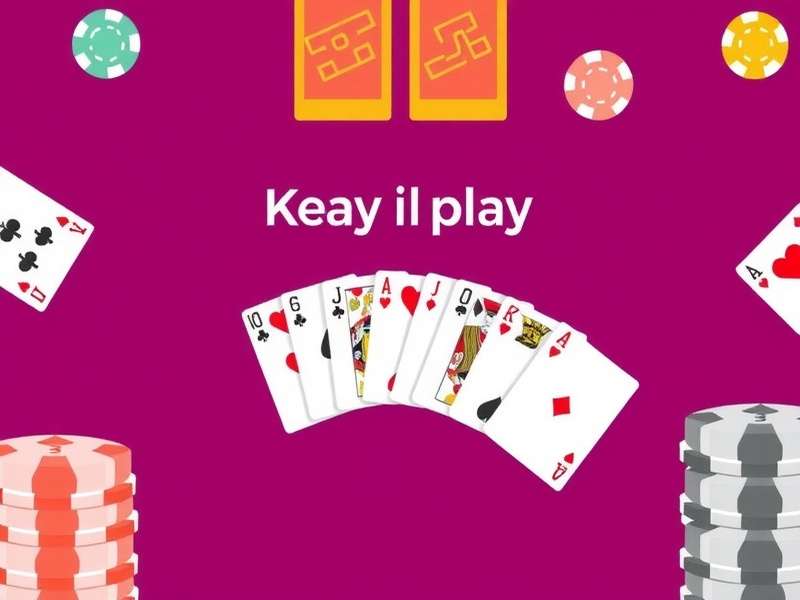
The felt battlefield where legends are made. Mastering the Poker Table dynamics is your first step to victory.
I. The Foundations: Poker Rules Demystified
Before you dream of stacking chips like a World Series Of Poker 2026 contender, you must internalize the core rules. Texas Hold'em is the global standard, and our primary focus.
The Flow of a Hand: Blinds, Betting Rounds & The Showdown
Every hand is a narrative with distinct chapters. It begins with the two players to the dealer's left posting the small and big blinds—forced bets that initiate action. Each player then receives two private cards ("hole cards"). The first betting round (pre-flop) ensues. Players can fold, call the big blind, or raise.
Post pre-flop, the dealer reveals three community cards—the flop. Another betting round follows. Then comes the turn (fourth community card), more betting, and finally the river (fifth community card) with a final betting round. If more than one player remains, the showdown occurs, where the best five-card hand, using any combination of hole and community cards, wins the pot.
Betting Actions: Your Vocabulary of Power
- Check: Pass the action to the next player without betting (only if no bet has been made).
- Bet: Place the first wager in a round.
- Call: Match the current bet to stay in the hand.
- Raise: Increase the current bet. This is the engine of aggression.
- Fold: Surrender your hand and any money you've invested. Knowing when to fold is a superpower.
- All-in: Bet all your remaining chips. The ultimate commitment.
II. The Poker Hand Hierarchy: Know Your Weapons
This is non-negotiable. Memorizing the best hands in poker ranked is as fundamental as knowing the alphabet. Here's the canonical order from strongest to weakest:
1. Royal Flush & Straight Flush
The unbeatable monsters. A Royal Flush (A-K-Q-J-10 of the same suit) is the holy grail. A Straight Flush is any five consecutive cards of the same suit.
2. Four of a Kind (Quads)
Four cards of the same rank. When you hold quads, you're almost certainly stacking chips.
3. Full House
A combination of three of a kind and a pair. A very strong hand, common in showdowns.
4. Flush
Any five cards of the same suit, not in sequence. The strength of a flush depends on its highest card.
5. Straight
Five consecutive cards of mixed suits. Ace can be high (A-K-Q-J-10) or low (5-4-3-2-A).
6. Three of a Kind (Trips/Set)
Three cards of the same rank. A "set" (when you have a pocket pair and match it on the board) is a hidden powerhouse.
7. Two Pair
Two different pairs. Common but often vulnerable to higher two pairs or trips.
8. One Pair
A single pair of cards. Wins many pots, but tread carefully on coordinated boards.
9. High Card
When you have none of the above, the highest card in your hand is your strength. This wins rarely at showdown.
For a microscopic breakdown, including edge cases and tie-breakers, visit our dedicated Texas Holdem Poker Hands Ranked page. Understanding these rankings informs every single decision you make, from a small call on the flop to a massive river bluff. Consider studying a Poker Hand Tier List for advanced starting hand selection.
III. Beyond the Basics: Intermediate & Advanced Strategy
Rules are the map; strategy is the vehicle. Here’s where you go from player to predator.
Position: The Unseen Advantage
Your seating position relative to the dealer button is arguably the most critical strategic concept. Acting later (in "late position") gives you more information from opponents' actions, allowing you to play more hands and control pot size. Playing out of position is a significant handicap.
Pot Odds & Expected Value (EV)
Poker is a math game dressed as an art. Pot Odds = (Amount to Call) / (Total Pot After You Call). If you have a 25% chance to win (a 4:1 underdog), you need pot odds better than 4:1 to make a profitable call. Expected Value (EV) is the average amount you expect to win or lose from a decision over the long run. +EV decisions make you money; -EV decisions lose it.
Bluffing & Semi-Bluffing
Bluffing is not lying; it's storytelling with chips. A pure bluff has little to no chance of winning at showdown but aims to make opponents fold better hands. A semi-bluff is a more powerful concept: you bet or raise with a hand that isn't best now but has significant potential to improve (like a flush draw). You win if they fold *or* if you hit your draw.
Want to see masterful bluffing in action? Check out the tension in Poker Face Season 2 Episode 7, or even the Poker Face Season 2 Subtitles for nuanced dialogue on tells.
IV. The Mental Game: Poker Psychology in the Indian Context
The cards are the same worldwide, but the minds playing them are shaped by culture. Indian players often exhibit exceptional mathematical aptitude but may need to hone emotional control and aggressive assertiveness at the table.
Tilt Control: The Silent Bankroll Killer
"Tilt" is emotional frustration leading to poor play. A bad beat, a rude opponent, or even external stress can trigger it. Recognize your triggers. Practice mindfulness. Set stop-loss limits. Remember, the player who maintains composure while others tilt has a monumental edge.
Table Image & Exploitative Play
How do your opponents perceive you? As a tight "rock" who only plays premiums? As a loose "maniac" playing every hand? Craft an image and then deviate from it to exploit opponents. If they think you're tight, you can bluff more effectively. If they think you're wild, they may call you down with weaker hands, letting your strong holdings get paid.
V. Immersing in the Poker Ecosystem
To truly master how to play poker, you must live it. Engage with the community.
Live Events & The Road to Glory
The dream for many is a gold bracelet. Follow the World Series Of Poker Circuit Events schedule—qualifiers and events are increasingly accessible in India. The atmosphere, the pressure, the reads—it's unparalleled.
Online Platforms & Continuous Learning
Hone your skills online. Start with Free Poker apps to practice risk-free. For serious study, platforms like Pokergo Play offer high-quality instructional content from pros. The grinder's ethos of Play Poker All Day isn't about literally playing non-stop, but about the dedication to continuous improvement.
Final Words: Your Journey Begins Now
Poker is a marathon of infinite learning curves. This guide is your foundational text. Revisit each section. Practice deliberately. Analyze your hands. Engage with the strategy. The felt awaits your legacy.
Article Last Updated: May 27, 2024 | This guide is continually revised by our editorial team and professional poker consultants to reflect the latest meta and strategies.